Editor's Pick
Middle East Tensions Rise: Is a Bigger War Coming?
Middle East tensions explained: Israel, Iran, Hezbollah, U.S. involvement, oil market impact, and what could trigger a larger regional war.
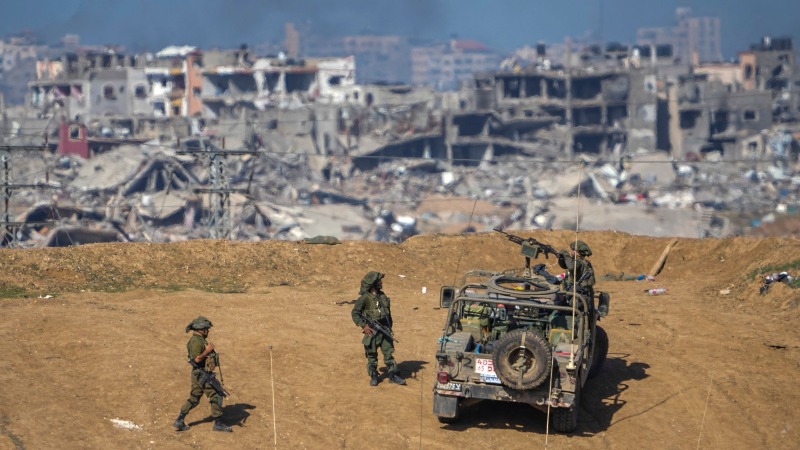
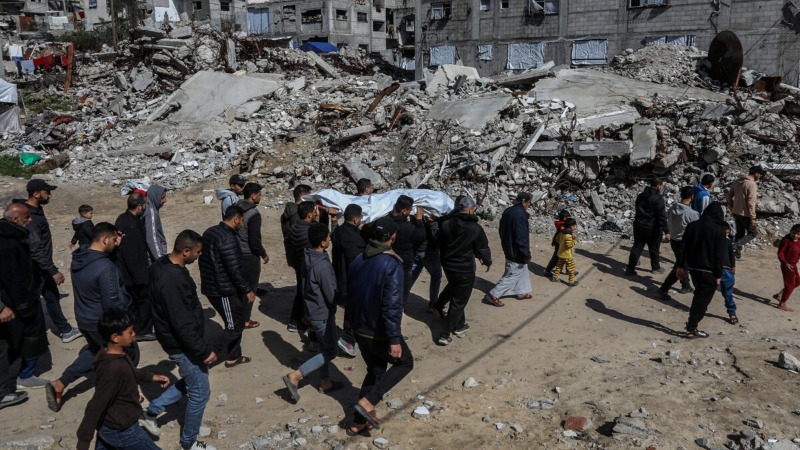
IntroductionMissiles don’t send press releases. They send messages in smoke.The Middle East is tense again. Israeli airstrikes in Syria. Rocket fire from Lebanon. Militia attacks on U.S. bases in Iraq. Iranian commanders issuing warnings that sound measured but carry weight. And oil traders watching every headline like gamblers at a roulette table. This isn’t background noise. It’s escalation layered on old grudges, unfinished wars, and rival powers that never truly stopped competing. The question hanging over capitals from Washington to Riyadh is blunt: is this another flare-up, or the early stages of something wider?Because history in this region rarely moves in straight lines.The Immediate FlashpointsIsrael, Gaza, and the Northern BorderThe Gaza war reshaped the regional equation overnight. Israeli ground operations triggered cross-border fire from Hezbollah in southern Lebanon, forcing evacuations on both sides of the frontier. Skirmishes happen almost daily now. Precision strikes. Drone interceptions. Limited, but constant.But limited wars have a habit of expanding.Hezbollah possesses an estimated 100,000-plus rockets. Israel has layered missile defenses and overwhelming air power. Both sides understand the cost of a full confrontation. And yet, exchanges continue. One miscalculation. One high-profile casualty event. The math changes fast.Iran and Its Regional NetworkIran doesn’t need tanks crossing borders to exert influence. It operates through partners — Hezbollah in Lebanon, militias in Iraq, the Houthis in Yemen. Funding, weapons, training. That structure gives Tehran plausible deniability and strategic depth.Because direct war with Israel or the United States carries enormous risk.Recent strikes in Syria targeting Iranian officers have raised the temperature. Tehran responds indirectly. Militia attacks on U.S. positions spike. Shipping lanes in the Red Sea get disrupted. Oil markets twitch. The pattern is familiar, but the intensity is rising. And patience on all sides is thinning.The U.S. Factor: Containment or Catalyst?American forces remain stationed across the region — Iraq, Syria, Gulf states. Officially for counterterrorism and regional stability. Unofficially, as deterrence against broader conflict.But deterrence cuts both ways.When militias launch rockets at U.S. bases, Washington responds with airstrikes. Measured responses, calibrated messaging. Still kinetic. Each exchange risks drawing larger players in. The United States does not want another Middle East war. Voters don’t either. Yet military assets are already positioned in the Eastern Mediterranean and Persian Gulf. Carrier groups. Air defense systems. Rapid deployment units.Hardware signals intent. Even if diplomacy says otherwise.The Oil Market: The Silent BarometerOil prices react before politicians do. Brent crude spikes on rumors alone. Because roughly a third of the world’s seaborne oil passes through the Strait of Hormuz. A chokepoint. A vulnerability.If Iran ever attempted to disrupt that corridor directly, global energy prices would surge overnight. Inflation would follow. Emerging markets would feel the shock first. Europe next. Asia immediately.Energy markets don’t care about speeches. They price risk. And right now, risk premiums are creeping upward, even without a declared regional war.What Would Trigger a Bigger War?Major wars rarely start with formal announcements. They start with overreaction. A strike that kills a senior commander. A missile that hits a civilian center. A misread radar signal.Escalation ladders are fragile.If Hezbollah and Israel move from controlled exchanges to full rocket barrages and sustained air campaigns, Iran faces a decision: stay indirect or intervene more openly. If U.S. troops suffer mass casualties, Washington’s response calculus changes dramatically. Domestic politics would demand force. Regional actors would reposition overnight.And alliances would harden.Why Full-Scale War Still Isn’t InevitableEvery major actor understands the cost. Israel would face multi-front pressure. Lebanon’s infrastructure would suffer catastrophic damage. Iran’s economy, already strained by sanctions, could absorb direct strikes on nuclear or military sites. Gulf states fear instability more than rivalry.Destruction is easy. Recovery isn’t.There are backchannels. Intelligence services communicate quietly. Red lines, while often violated rhetorically, still exist in practice. That’s the restraint mechanism. Not trust — calculation.The Regional WildcardsYemen’s Houthis have already demonstrated reach by targeting shipping in the Red Sea. Iraqi militias operate with varying degrees of independence. Syria remains fractured. And non-state actors don’t always follow state logic.Loose actors complicate strategy.One rogue escalation can override months of careful signaling between governments. Because once missiles fly and images circulate globally, public pressure narrows diplomatic options. Leaders react to headlines as much as battlefield maps.ConclusionThe Middle East stands in a dangerous holding pattern. Daily skirmishes. Strategic messaging. Limited retaliation. All manageable — until they aren’t.A larger war is possible. Not guaranteed, but plausible. The region is stacked with weapons, grievances, and alliances that activate quickly under pressure. And the margin for error is thin.For now, calculation dominates emotion. That balance holds the line. If it breaks, the shift will be sudden, not gradual. History in this region tends to move that way.Blogory...
Read Article