Best Phones Under ₹25,000 in 2026: Camera + Gaming Tested
Discover the best phones under ₹25,000 in 2026 with top picks for camera, gaming, and battery, helping you choose the right smartphone based on real performance

Introduction
Twenty-five thousand rupees. In 2026, that's the number that separates a phone that just exists in a pocket from one that actually earns its place there. And the segment has gotten vicious — in the best possible way.
Camera systems that would've cost double this three years ago. Gaming chipsets that laugh at thermal throttling. Displays so good that content creators are doing real work on them. The ₹25,000 ceiling used to feel like a compromise. Not anymore.
But here's the honest part — not every phone in this bracket deserves shelf space. Some look excellent on spec sheets and fall apart under actual use. Some are built for one thing and genuinely bad at the other. Buyers need to know the difference before dropping money.
This breakdown covers the phones that actually hold up — camera tested, gaming stress-tested, no marketing noise.
Why This Segment Is Brutal Right Now
The competition in the phone under ₹25,000 bracket has never been more cutthroat. POCO is pushing gaming-first hardware at pricing that makes no logical sense. Realme is throwing 7,000mAh batteries and 144Hz AMOLED panels into the mix. OnePlus is back in this segment acting like it never left the budget market.
And then Nothing shows up with transparent glass and a periscope camera. Because of course it does.
Phones like the POCO X7 Pro 5G and Realme P4 Pro 5G focus on raw performance and high-refresh AMOLED displays, making them ideal for gamers and heavy multitaskers. Meanwhile the Motorola Edge 60 Fusion and OPPO F29 Pro stand out for premium design, clean software, and reliable cameras, suiting content creators. Same price bracket. Completely different philosophies. That's the tension buyers have to navigate.
The Picks — And What They're Actually Good At
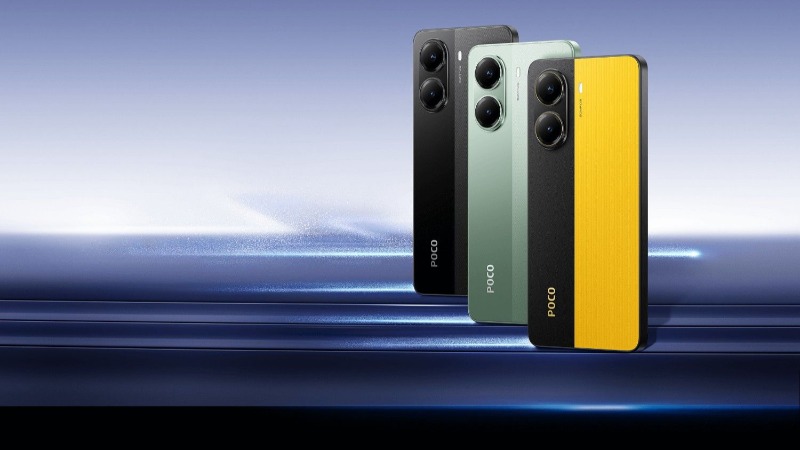
POCO X7 Pro 5G — The Uncompromising Performance Pick
The POCO X7 Pro is an all-rounded offering that knocks it out of the park with performance, battery, and display quality — though the phone misses the mark with software and delivers a not-so-great camera experience.
That's the deal, plainly stated. Dimenstiy 8350 under the hood. Numbers that shouldn't exist at this price point. Frame rate in BGMI stays locked. Genshin doesn't stutter. But anyone expecting flagship-tier photo output will be disappointed. Night mode is passable. Selfies are average. The software skin is messy.
Buy this for gaming. Don't buy this to impress anyone with shots of food.
Realme P4 Pro 5G — When Battery Life Becomes a Superpower
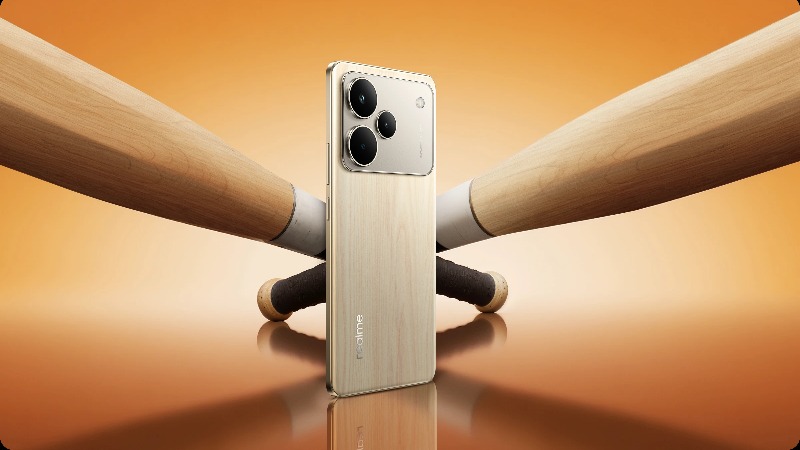
The Realme P4 Pro packs a 144Hz AMOLED display, a Hyper Vision AI chip for 144 FPS gaming, Snapdragon 7 Gen 4, and a 7,000mAh battery with 80W charging. It is slimmer and lighter than its predecessor, with solid cameras and a distinct design.
Seven thousand milliamp hours and still under 8mm thick. That's genuinely difficult engineering. Tradeoffs exist — average audio and shorter software support than rivals being the main ones. But for anyone who's ever watched a phone die at 4 PM during a commute, this phone is a direct answer to that problem.
The best camera phone under 25k crown doesn't belong here. But as a gaming phone under 25k that also handles cameras competently? Strong case.
OnePlus Nord CE 5 5G — The Balanced Contender
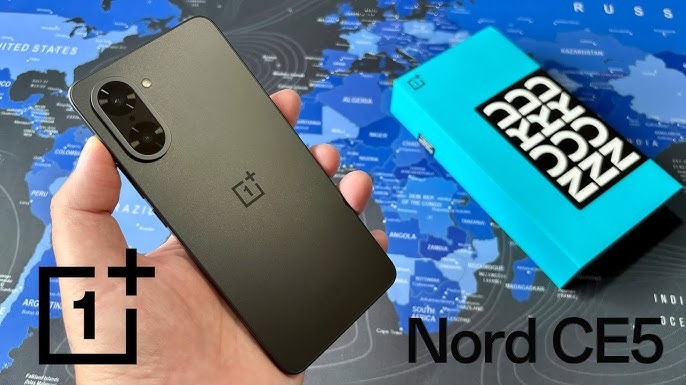
The OnePlus Nord CE 5 is easily the strongest Core Edition phone yet, packing a massive battery, a super bright AMOLED display, a powerful Dimensity processor, good cameras, and long-term software support — all at a starting price of ₹24,999.
Long-term software support matters. It really does. Buyers who kept the Nord CE 3 for two years know the difference. The Nord CE 5 5G runs on the MediaTek Dimensity 8350 Apex chipset and packs a 5,200mAh battery with 80W charging, plus a 6.77-inch Fluid AMOLED display with 120Hz refresh rate.
The camera is solid without being spectacular. Performance is clean. OxygenOS remains one of the least annoying Android skins at this price. The mono speaker hurts. That's the one genuine complaint. But otherwise this is the budget phone under 25000 that someone picks when they want reliability above all else.
Nothing Phone (3a) 5G — The Wildcard That Earns Its Price

The Nothing Phone (3a) focuses more on the overall experience than raw specs — Snapdragon 7s Gen 3 chip, 120Hz AMOLED display, and a triple camera setup complete with a 2x telephoto paired with a 5,000mAh battery.
The transparent back and Glyph interface aren't gimmicks to dismiss. They're differentiators. And the camera. That telephoto inclusion at this price is something no one expected. The phone's display is crisp and the main camera is solid, but the telephoto sensor falters in dimly lit conditions.
So low-light telephoto? Not there yet. But in daylight, the zoom shots hold up far better than competitors. Clean Android 15. No bloatware. For users who hate fussing with settings, this is the cleanest experience in the segment. Available at ₹22,290 on Amazon, it comes with 8GB RAM, 128GB storage, and retains a headphone jack.
The headphone jack in 2026. Honestly respect it.
Vivo T4 5G — The Battery-Gaming Hybrid Nobody Talks Enough About
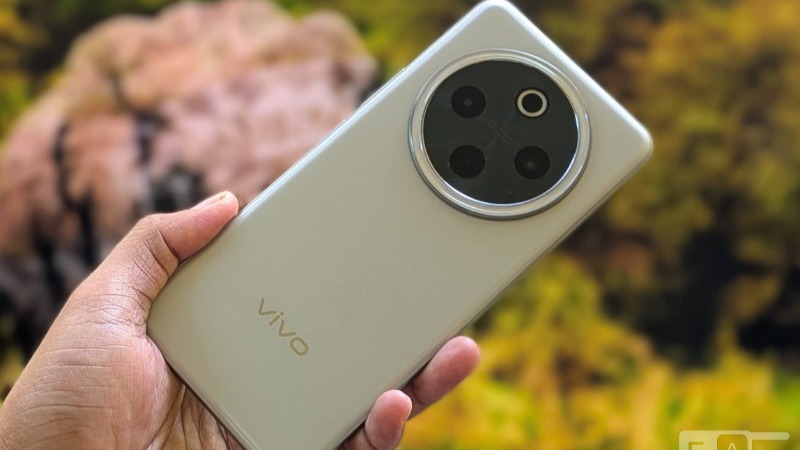
The Vivo T4 5G offers a balanced setup with the Snapdragon 7s Gen 3 and a 6.77-inch AMOLED display. Its 7,300mAh battery with 90W charging stands out, while the 50MP camera with OIS handles everyday shots.
The Vivo T4 impresses on multiple fronts, reinforcing its position as one of the standout options in the sub-₹25,000 segment. Its minor trade-offs — like the lack of an ultrawide camera and NFC — don't outweigh its strengths, making it a compelling buy especially for power users and gamers.
No ultrawide is annoying. NFC missing in 2026 feels like an oversight, not a design choice. But a 7,300mAh cell with a fast-enough chip for smooth gaming? That combination sits at the top of the pile for anyone who games long sessions and hates plugging in.
OPPO K13 Turbo — The Niche That Knows What It Is
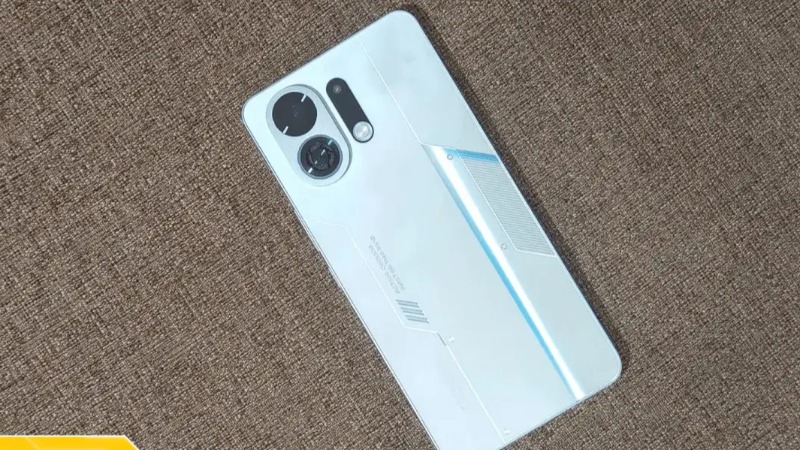
The OPPO K13 Turbo is built for one thing: performance. It's an unapologetic gaming phone that trades camera quality for features that gamers will love — a brilliant flat display, a massive battery, and top-tier power that stays cool under pressure thanks to its effective built-in fan.
Built-in fan. Physical. Spinning. That's commitment to a thermal solution. It works too — sustained performance in extended sessions doesn't drop off the way it does in competitors without active cooling. The camera system is an afterthought. Single main shooter, balanced photos in daylight, absolutely nothing to shout about. But that's the trade. Performance buyers who've already accepted this make no mistake here.
Camera Shootout: Who Actually Wins?
For pure camera output, the hierarchy becomes clear after testing. Nothing Phone (3a) leads on versatility because of that telephoto. Realme 14 Pro Plus, which sits right at the edge of the ₹25,000 bracket, punches above with its 200MP primary sensor. Redmi Note 15 Pro also comes up here — the 200MP camera takes detailed landscape shots, while the battery easily lasts a full day, and it's quite durable with long software support.
But here's where it gets interesting for best camera phone under 25k buyers. Megapixels alone mean nothing. Portrait processing, night mode retention of detail, video stabilisation — that's where phones separate. The Realme P4 Pro and OnePlus Nord CE 5 both handle daylight confidently. But when the lights drop, the Nothing Phone (3a) is the one that earns the most respect for the price.
Gaming Performance: The Real Stress Test
Three phones stand clearly above the rest for the gaming phone under 25k buyer.
POCO X7 Pro. OPPO K13 Turbo. Realme P4 Pro. In that order for raw sustained performance.
The POCO X7 Pro 5G and Realme P4 Pro 5G feature high-refresh AMOLED displays and are ideal for gamers and heavy multitaskers. The X7 Pro's Dimensity 8350 is the most capable chip in the segment without question. The K13 Turbo's active fan keeps thermals in check for a longer window than any passive cooling setup can manage. The P4 Pro's 7,000mAh cell means gaming sessions don't end because the battery gave up.
Frame rates, thermal performance, haptic feedback quality — these are where real testing diverges from spec sheet reading. And what testing shows consistently is this: phones with larger batteries sustain better gaming performance simply because heat management gets easier when the load is distributed. The 7,000mAh camp wins marathon sessions. The raw-chipset camp wins benchmark numbers.
What to Ignore (And Why)
Samsung Galaxy M56 keeps appearing in this segment. It keeps disappointing. Samsung Galaxy M56 is a phone of contradictions — it pairs a great AMOLED display with a weak mono speaker, and its excellent One UI software experience is let down by a sluggish Exynos chipset. The Exynos 1480 is not a competitive chipset in 2026 at this price. Buyers who care about gaming performance or camera speed in processing will feel it.
The Exnos tax is real and it's unchanged.
Conclusion
The phone under ₹25,000 market in 2026 doesn't ask buyers to compromise the way it once did. The choices are genuine, and the gaps between them are specific enough to matter.
Gamers go POCO X7 Pro or OPPO K13 Turbo, no debate. Camera-first buyers choose the Nothing Phone (3a) or OnePlus Nord CE 5 for all-round imaging with real software longevity. Battery obsessives have never had more to love — the Vivo T4 5G and Realme P4 Power represent two completely different philosophies on endurance and both deliver.
But nobody should walk into this segment without knowing what they actually need. Because the worst outcome isn't buying a bad phone. It's buying an excellent phone for someone else's use case.


The Dark Side of Hustle Culture Nobody Talks About
17 Jul, 2026
Antarctica Expedition: Your Complete Planning Guide
30 May, 2026
