15 Best Activities in Rishikesh ! Tips for first time travellers
Explore 15 best activities in Rishikesh including rafting, bungee jumping, yoga, camping, and Ganga Aarti for adventure, spirituality, and unforgettable travel

Introduction
There's a moment — usually somewhere between the roar of the Ganges and the sound of a temple bell echoing off the hills — when Rishikesh stops feeling like a destination and starts feeling like a feeling. You can't quite explain it to people who haven't been. You just know you'll come back.
Called the Yoga Capital of the World for good reason, Rishikesh sits at the foothills of the Himalayas where the Ganges descends from the mountains and the air carries something different — cleaner, quieter, charged. It's the only place I know where you can jump off a cliff in the morning, attend a silent meditation session in the afternoon, and watch one of the most beautiful sunsets of your life by evening — all within five kilometres.
Whether you're chasing adrenaline, peace, community, or just a solid Instagram grid — Rishikesh delivers. Here are 15 activities that'll make your trip genuinely unforgettable.
Why Rishikesh Works for Every Kind of Traveler
This is what surprises most first-timers. Rishikesh isn't just for spiritual seekers or just for adventure junkies — it somehow manages to be deeply, sincerely perfect for both at the same time.
Adventure lovers get white-water rafting, bungee jumping, cliff diving, and ziplining over the Ganga. Spiritual seekers get world-class yoga ashrams, sound healing circles, and Ganga Aarti ceremonies that'll make the hair on your arms stand up. Budget travelers find riverside camps for ₹500/night and thali meals for ₹80. Solo travelers and couples both find their tribe here — solo backpackers bond over bonfires, couples find quiet sunset spots on Ram Jhula. It's rare. It works.
15 Best Activities in Rishikesh
1. River Rafting in the Ganges
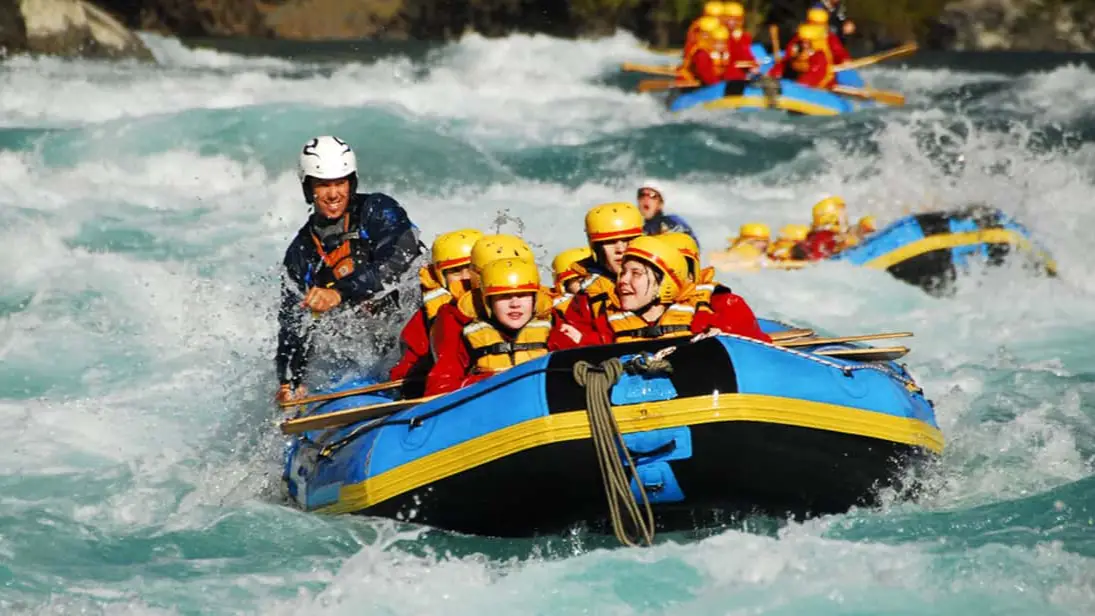
If there's one thing every single person tells you to do in Rishikesh, it's raft the Ganga. And for once, the hype is completely justified.
The Ganges here isn't the slow, flat river people imagine — it's fast, cold, and dramatic, cutting through forested gorges with rapids that genuinely test you. There are three main stretch options depending on your comfort level:
- 9 km (Brahmpuri to Rishikesh): Gentle, beginner-friendly. Good for families.
- 16 km (Shivpuri to Rishikesh): The sweet spot — thrilling but not terrifying. Most popular.
- 24 km (Marine Drive to Rishikesh): For the serious ones. Bigger rapids, longer ride.
Cost: ₹600–₹1,500 depending on operator and stretch length. Best season: October to June. Avoid July–September (monsoon closes rafting). Tips: Book through certified operators only (look for THOA certification). GoPro rentals are usually available and absolutely worth it.
2. Bungee Jumping 🪂
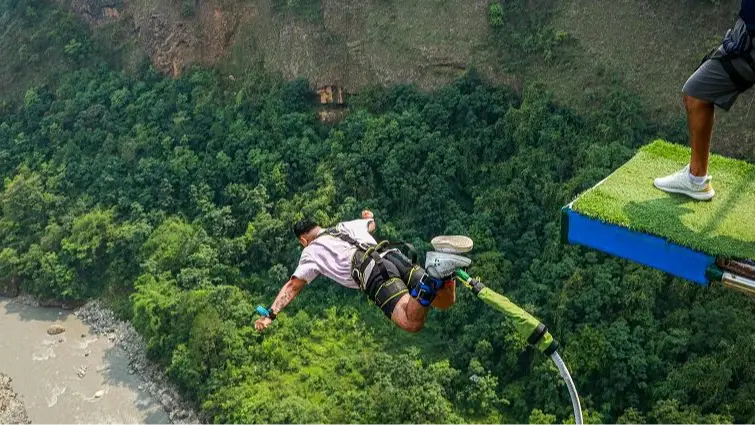
Jumpin Heights in Rishikesh operates one of India's highest fixed bungee platforms at 83 metres — roughly the height of a 25-storey building. The view from the top, just before you jump, is simultaneously the most beautiful and most terrifying thing you'll see all trip.
The setup is genuinely professional — internationally certified equipment, trained jump masters, and a safety record that holds up. The jump itself takes about three seconds. The adrenaline lasts considerably longer.
Cost: ₹3,550 for bungee; combo packages (bungee + giant swing) around ₹5,500. Best time: Early morning slots are cooler and less crowded. Tips: Book online at least a day in advance — walk-in slots fill up fast in peak season. Weight limit: 45–110 kg.
3. Camping by the Ganga
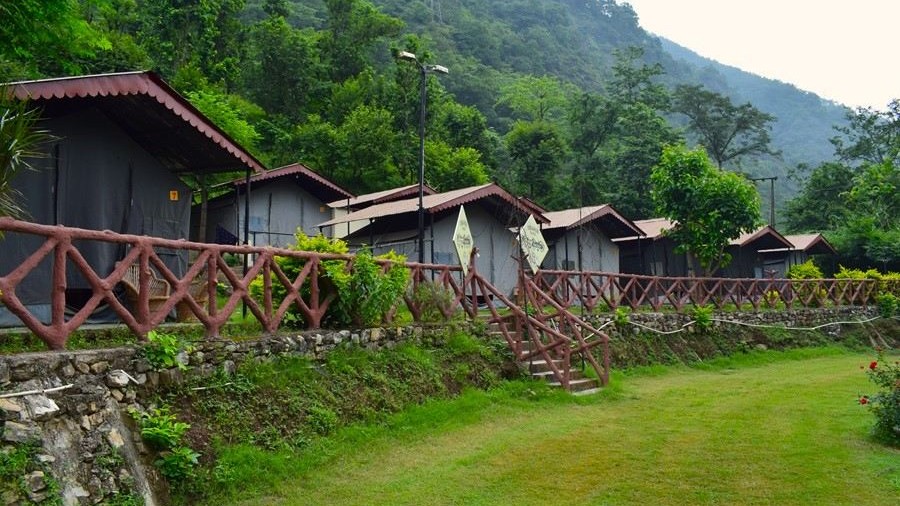
Sleeping next to the Ganges with nothing between you and the stars but canvas is one of those experiences that sounds clichéd until you actually do it. The river sounds different at night — slower, wider, like it's breathing. Campsites along the Shivpuri and Marine Drive stretches offer everything from basic tents to proper glamping setups with attached bathrooms.
Most camps include dinner, breakfast, and a bonfire. Some have live music. All of them have that particular magic of waking up to mountain air and river sounds.
Cost: ₹800–₹2,500 per person per night (meals often included). Best time: October to March for the most comfortable nights. Tips: Weekends fill up fast — book mid-week for better rates and quieter experience.
4. Ganga Aarti at Triveni Ghat
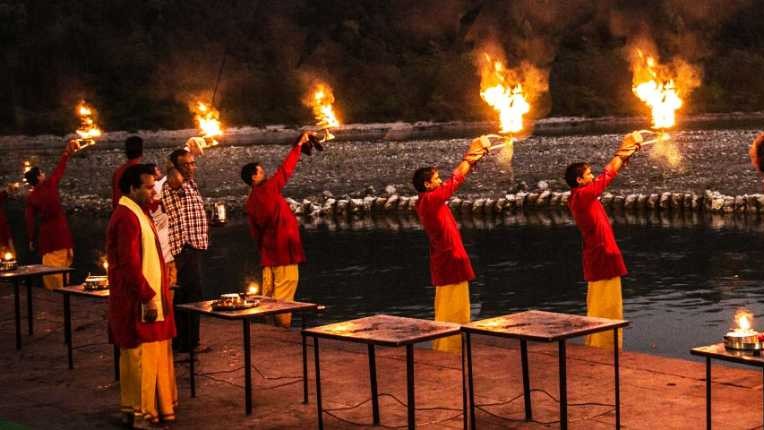
This one isn't optional. Even if you're the least spiritual person you know, the Ganga Aarti at Triveni Ghat in the evening is something you watch with your mouth slightly open. Dozens of priests perform synchronized fire rituals on the riverbank as hundreds of diyas (oil lamps) float downstream, the chanting rises, and somehow the whole thing just gets to you.
Timing: 6:00–7:00 PM (varies slightly by season). Cost: Free to attend. Tips: Arrive 30 minutes early for a good spot near the ghats. You can also offer a diya into the river — a small, quiet moment that stays with you.
5. Laxman Jhula & Ram Jhula
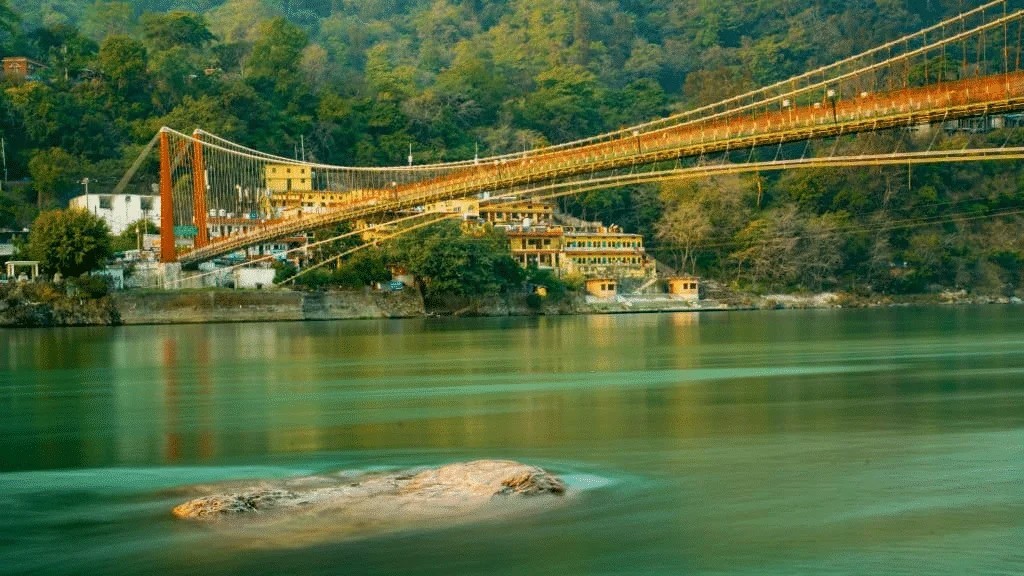
These two iconic suspension bridges over the Ganga are central to Rishikesh's identity. Laxman Jhula, built in 1939 (the original wooden one goes back much further in legend), is technically closed to foot traffic now but remains the defining image of the city. Ram Jhula is still very much active and absolutely worth the walk.
Cross at sunset. The light on the Ganga from the bridge is extraordinary — the kind of thing phone cameras genuinely can't capture.
Cost: Free. Tips: The area around both bridges is packed with cafes, bookshops, and quirky little stores — leave time to wander.
6. Yoga & Meditation Sessions
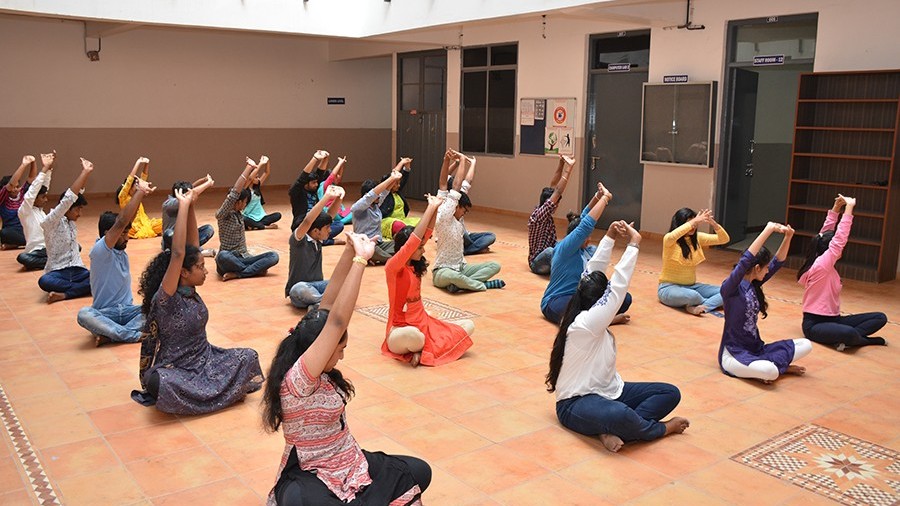
Rishikesh isn't called the Yoga Capital of the World for tourism branding — this is genuinely where many of the world's most respected yoga traditions come from. Ashrams like Parmarth Niketan, Sivananda Ashram, and Rishikesh Yog Peeth offer everything from drop-in morning classes to month-long residential teacher training courses.
If you've never tried yoga seriously, this is the right place to start. Teachers here approach it as a practice, not a workout class.
Cost: Drop-in classes ₹200–₹500; week-long retreats ₹5,000–₹25,000+. Best time: Any time of year — yoga here doesn't close for monsoon. Tips: Parmarth Niketan offers free yoga classes alongside the Ganga Aarti they host — a beautiful double experience.
7. Trek to Neer Garh Waterfall
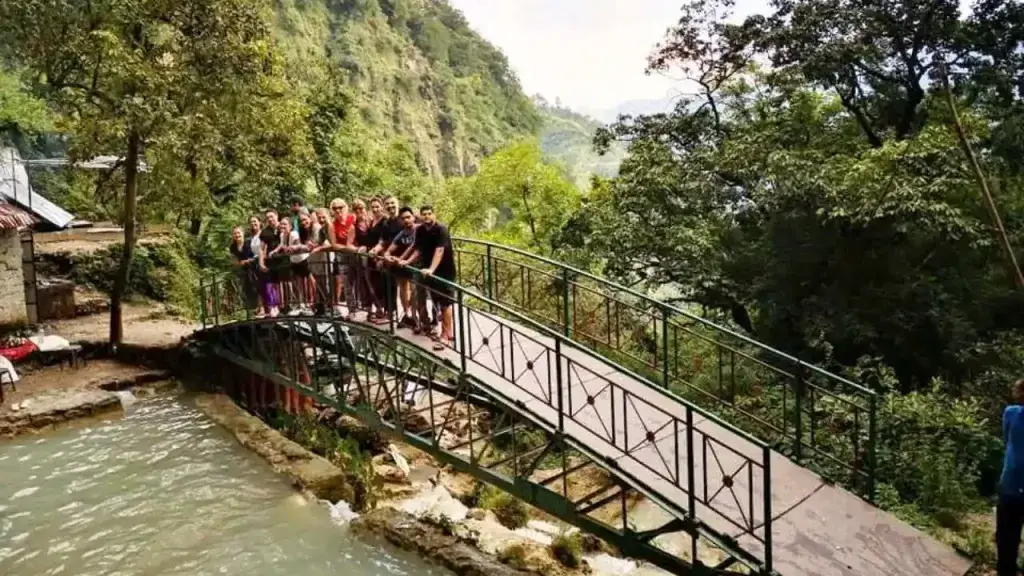
If you want to get away from the riverside buzz for a few hours, the short trek to Neer Garh Waterfall is a perfect half-day escape. About 3.5 km from Laxman Jhula, the trail winds through a forested gorge — cool, green, and blessedly quiet. The waterfall drops in stages, with natural pools you can actually swim in.
Cost: Small entry fee (₹50–₹100). Hire a local guide for ₹300–₹500 if you want company. Best time: September to November (post-monsoon, waterfalls at full flow, trails safe). Tips: Wear proper shoes — the trail gets slippery in patches. Go early to avoid afternoon crowds.
8. Cliff Jumping
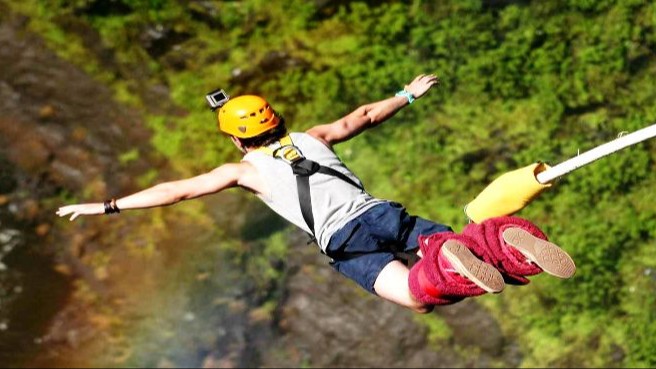
Usually offered as part of rafting packages, cliff jumping spots along the Ganga let you jump from heights of 15–25 feet into deep river pools. It sounds like something that should be terrifying and somehow isn't — the water is cold enough to shock your system and the current below is checked by operators before they let you jump.
Cost: Included in most rafting packages or ₹200–₹500 standalone. Safety note: Only jump at designated spots with operators present. Never jump at unmarked or unsupervised locations.
9. Ziplining / Flying Fox Over the Ganga
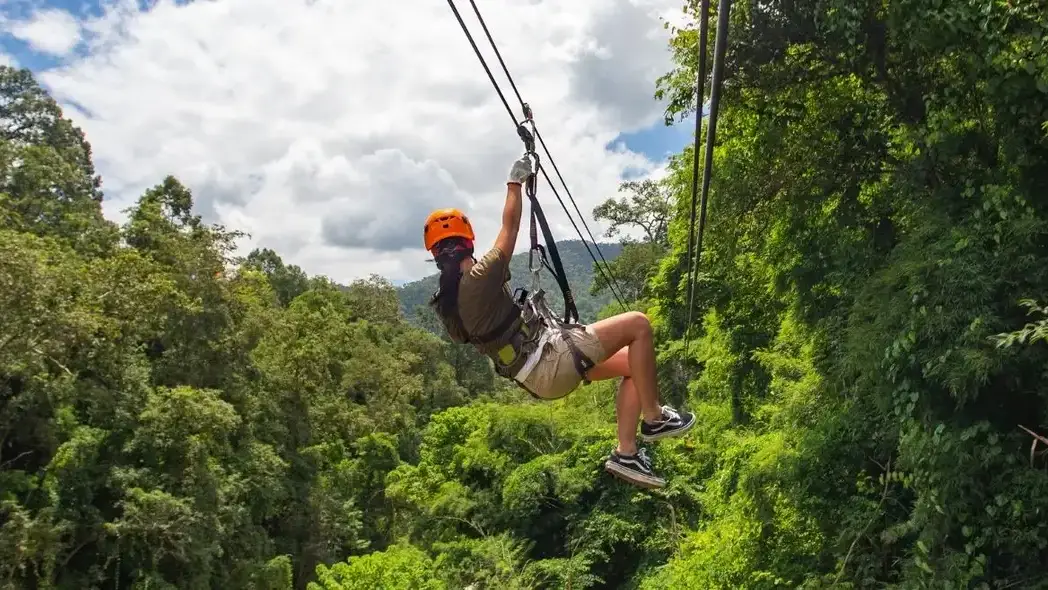
Flying Fox Rishikesh offers a zipline that crosses directly over the Ganga — you leave one riverbank and arrive on the other, hanging 70 metres above the river with the Himalayas in front of you. It takes about 45 seconds. It is the best 45 seconds of most people's trips.
Cost: ₹1,500–₹2,000 per ride. Best time: Morning — cleaner skies, better views. Tips: Go on a clear day for maximum Himalaya visibility.
10. Explore the Beatles Ashram
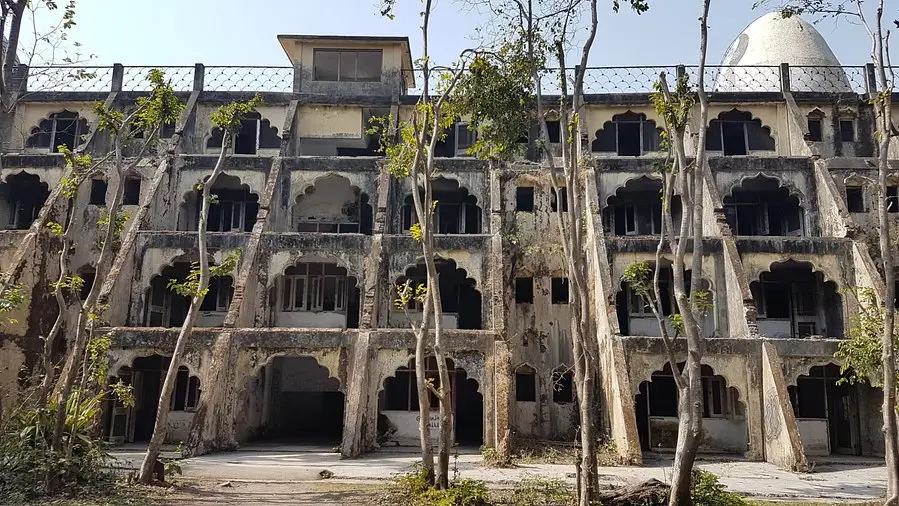
In 1968, The Beatles came to Rishikesh to study Transcendental Meditation under Maharishi Mahesh Yogi. They stayed at what is now called Chaurasi Kutia — the Beatles Ashram. Abandoned for decades, the forest slowly reclaimed the meditation domes and stone structures, and local artists transformed the walls into extraordinary graffiti murals. It's one of the most visually interesting places in Rishikesh — part ruins, part gallery, entirely fascinating.
Cost: ₹150 (Indians), ₹600 (foreigners). Best time: Morning — golden light through the forest canopy. Tips: Allow at least 90 minutes to properly explore. The murals around the back structures are the most impressive.
11. Riverside Cafes
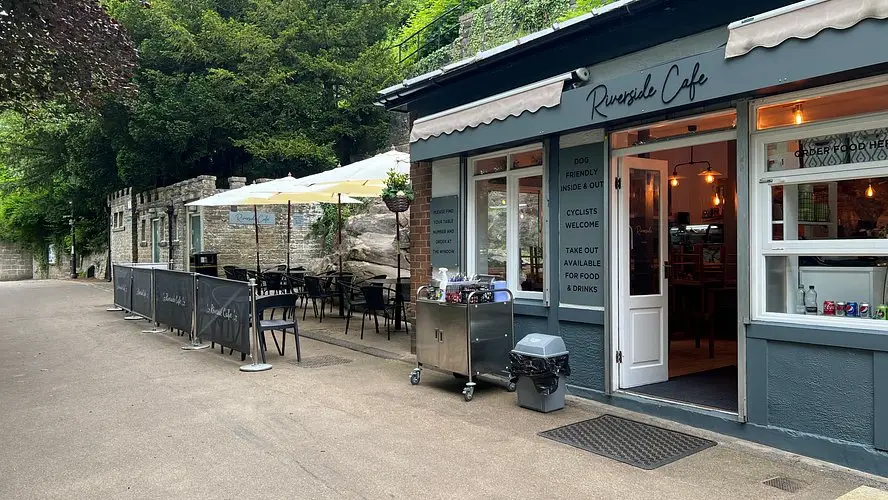
Rishikesh has some of the best cafe culture of any small Indian city. Little Buddha Cafe, Bistro Nirvana, and the dozens of unnamed rooftop spots along the ghats serve everything from Israeli hummus to banana lassi to wood-fired pizza — all with a view of the Ganga that makes everything taste better. This isn't a filler activity. A slow afternoon at a riverside cafe in Rishikesh is genuinely one of the trip's highlights.
Cost: ₹200–₹600 per person for a meal. Tips: The cafes on the Laxman Jhula side tend to be slightly more laid-back; Ram Jhula side has more variety.
12. Kayaking
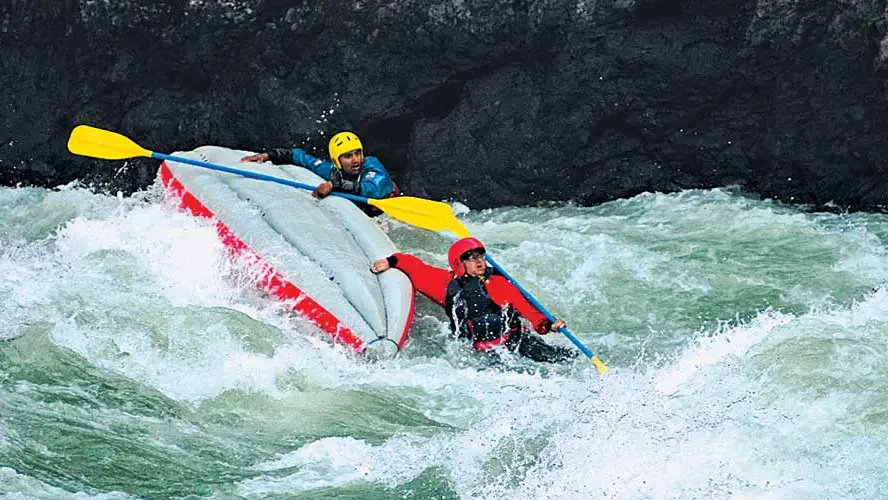
For those who want the river without the group rafting experience, kayaking offers something more personal and skill-based. Several operators offer beginner sessions in calmer stretches before letting you tackle gentler rapids independently.
Cost: ₹800–₹1,500 for a guided session. Best time: October to May. Tips: No prior experience needed for beginner courses — just a comfort level with water.
13. Ayurveda & Spa Therapy
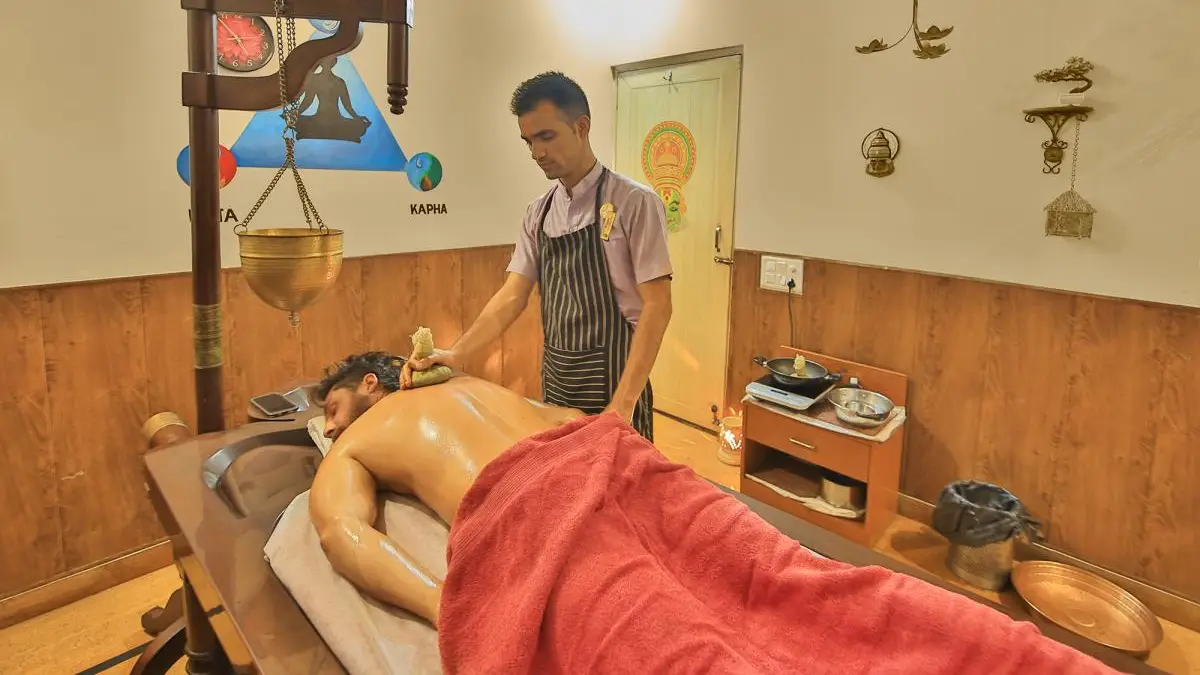
After two days of rafting, trekking, and cliff jumping, your body will negotiate with you. Rishikesh has excellent Ayurvedic treatment centres offering everything from a basic abhyanga oil massage to full multi-day Panchakarma programs. This isn't spa-day tourism — proper Ayurvedic treatment here is serious, traditional, and genuinely restorative.
Cost: ₹800–₹2,500 for a session; full programs much more. Tips: Book through established centres affiliated with registered Ayurvedic practitioners.
14. Sound Healing & Spiritual Workshops
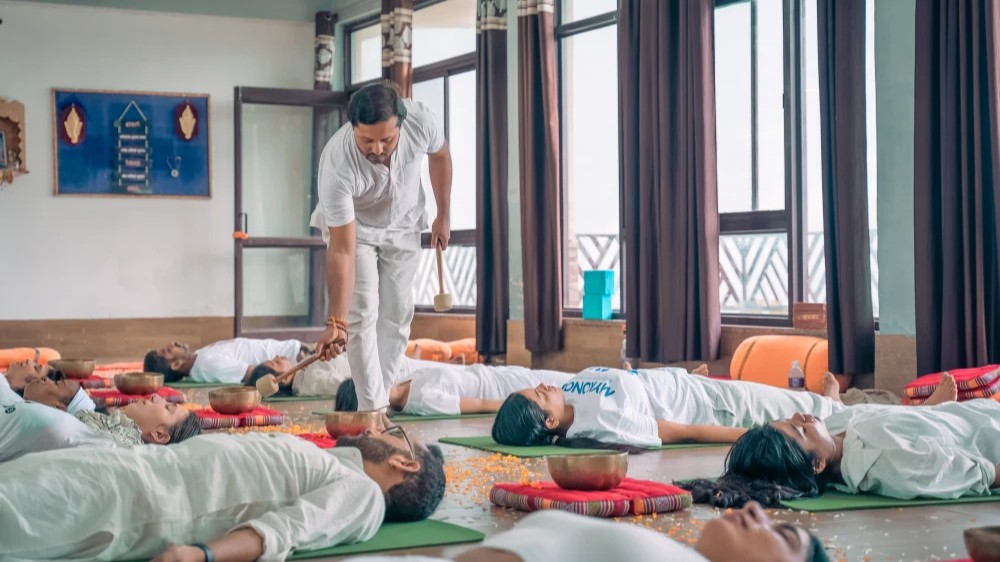
Sound healing — using Tibetan singing bowls, gongs, and chanting to induce deep meditation — has become one of Rishikesh's fastest-growing offerings. It sounds like wellness trend, and maybe it is, but an hour in a dark room with a skilled practitioner and three singing bowls does something to your nervous system that's hard to argue with.
Cost: ₹500–₹1,500 per session. Tips: Ask your accommodation for recommendations — the best practitioners here often don't advertise heavily.
15. Local Market Shopping
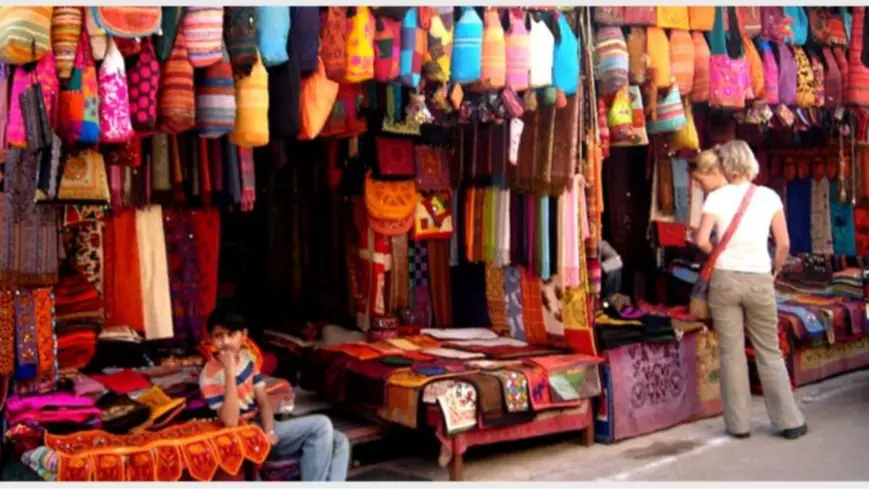
The markets around Laxman Jhula and Ram Jhula are genuinely good — not tourist-trap good, actually good. Rudraksha malas, Himalayan herbs, hand-block-printed fabrics, quality incense, copper vessels, and handmade jewellery at prices that make sense. Take your time.
Cost: ₹200–₹5,000 depending on what you're buying. Tips: The lane behind the main road at Laxman Jhula has smaller, less-touristy shops with better prices.
Best Time to Visit Rishikesh
The sweet spot is October to June. October to February brings crisp mountain air and perfect weather for all outdoor activities. March to June gets warmer but is still great — the Ganga is at lower, clearer levels ideal for rafting. Avoid July to September for adventure sports — monsoon rains swell the river dangerously and most rafting operators close. That said, Rishikesh in monsoon has its own misty, dramatic beauty if you're not there for the adrenaline.
Budget Breakdown
| Activity | Budget Option | Premium Option |
|---|---|---|
| Rafting (16 km) | ₹600–₹800 | ₹1,200–₹1,500 |
| Camping (per night) | ₹700–₹1,000 | ₹2,000–₹4,000 |
| Bungee Jumping | ₹3,550 | ₹5,500 (combo) |
| Yoga class (drop-in) | ₹200 | ₹500 |
| Ayurveda session | ₹800 | ₹2,500+ |
| Zipline | ₹1,500 | ₹2,000 |
| Daily food budget | ₹300–₹500 | ₹800–₹1,500 |
A 3-day adventure-focused trip with camping, rafting, bungee, and meals can be done for ₹7,000–₹12,000 per person. A comfortable 5-day trip covering most activities on this list runs ₹15,000–₹25,000 per person.
Tips Before You Go
Book in advance: October to February and Holi/Diwali periods see massive crowds. Rafting slots and campsites fill up a week or more ahead.
Check safety certifications: For rafting and bungee especially, only book with THOA-certified operators. If they can't show you certification, walk away.
Carry cash: ATMs exist but run out during peak season. Carry enough for at least two days of activities.
Dress appropriately: Rishikesh is both an adventure hub and a sacred city. Modest dress (covered shoulders and knees) is expected near temples and ghats — and genuinely respected by locals.
Respect the river: The Ganga is sacred to millions. Avoid using soaps, plastics, or chemicals near the river. Leave the ghats cleaner than you found them.
Conclusion
Rishikesh does something to people. You arrive for the rafting or the yoga or the Instagram spots, and somewhere along the way the city shifts your pace. You sleep better. You eat slower. You have conversations you wouldn't normally have.
It offers something for the thrill-seeker and something for the soul-seeker, and often — surprisingly — these turn out to be the same person. Whether you're twenty-two and backpacking solo or forty-five and looking for your first real break in years, Rishikesh has a version of itself waiting for you.
Book the trip. Do the things on this list. And when you're standing on the banks of the Ganga watching the sun drop behind the hills, you'll understand why people keep coming back.


The Dark Side of Hustle Culture Nobody Talks About
17 Jul, 2026
Antarctica Expedition: Your Complete Planning Guide
30 May, 2026
