Hidden Islands in Asia With Crystal Clear Water
Discover secret tropical islands in Asia with crystal clear water from the Philippines to Indonesia. Your guide to the best clear water islands off the tourism

Introduction
There's a moment — and if you've travelled long enough in Asia, you'll know it — where you round a corner on a small ferry or a longtail boat, and the water ahead of you is so clear, so impossibly blue-green, that it looks fake. Like someone turned the saturation up too high. You look down through it and see every ripple of sand ten meters below. You think: this can't be real.
That feeling is what draws people back to Asia's islands again and again. But the famous ones — Bali, Phuket, Boracay — have changed. They're still beautiful in their own way, but the crystal-clear waters are harder to find when you're sharing them with a hundred other boats. The hidden islands in Asia with crystal clear water still exist, and they're more magical than anything you'll find on a tourist brochure.
This guide is for the traveller who wants to go a little further, dig a little deeper, and find the kind of place that still has that raw, untouched quality. Some of these islands require a bit of planning. Most of them are worth every extra hour of travel.
Why Asia's Hidden Islands Still Surprise Even Seasoned Travellers
It sounds like a cliché to call Asia "diverse," but nowhere does that word feel more true than when you're island-hopping. The geological variety here is staggering — from the limestone karsts of Palawan to the volcanic black-sand shores of East Java to the coral atolls scattered across the Maldives. Each of these shapes the water differently.
What makes water genuinely clear — not just "looks nice in photos" clear, but see-your-feet-in-six-metres-of-water clear — comes down to a few factors: shallow coral reefs that filter sediment, low river runoff, and limited human activity near the shore. Many of Asia's secret tropical islands happen to sit in geographic sweet spots where all three align.
The other thing worth knowing: the best clear water islands in Asia aren't always the most remote. Some are just a short ferry ride from a major hub but get skipped over because a more famous neighbour draws all the attention. That's where the real gems tend to hide.
The Best Hidden Islands in Asia With Crystal Clear Water
Raja Ampat, West Papua, Indonesia
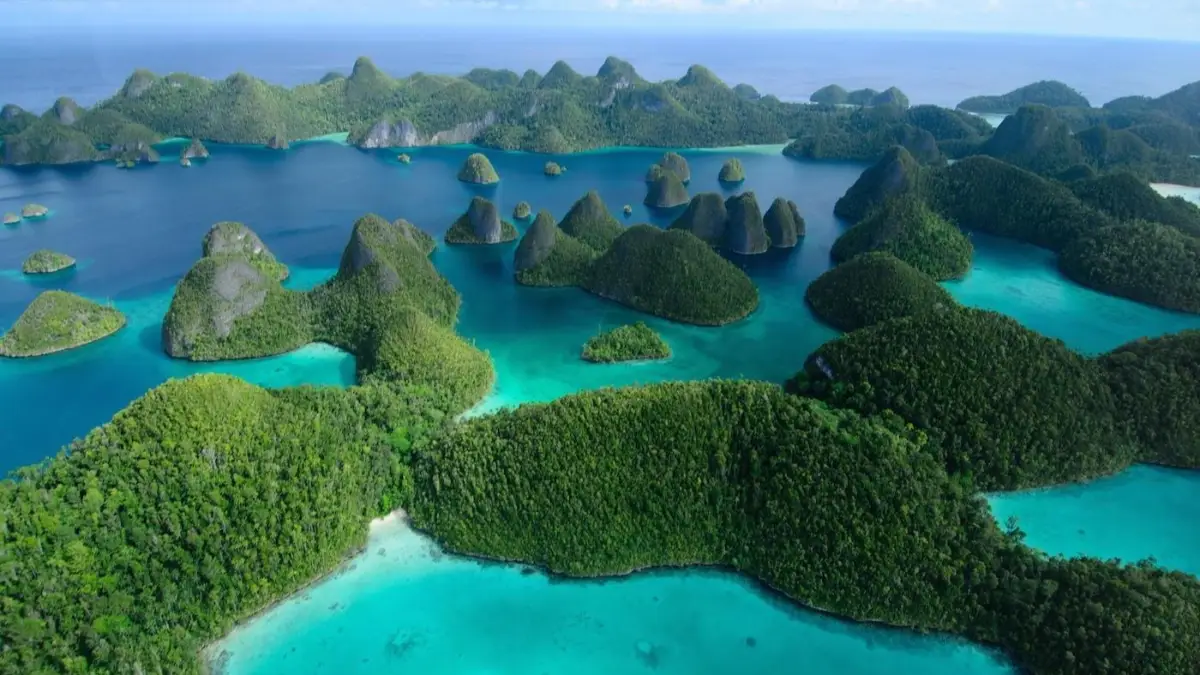
Most people who've been to Raja Ampat say the same thing: they weren't ready. No matter how many photos you've seen, nothing quite prepares you for the color of that water.
Raja Ampat sits in the Coral Triangle — considered the most biodiverse marine area on earth — and the snorkeling here is genuinely world-class even in shallow water just off the beach. The islands themselves are dramatic: steep jungle-covered limestone towers rising from the sea, their bases stained dark by tidal exposure, surrounded by water that shifts from deep navy to blinding turquoise depending on the depth.
Getting here takes effort. You'll typically fly into Sorong and take a ferry to Waisai, then arrange speedboats to your resort or homestay. Most visitors stay in basic eco-lodges or locally-run bungalows. That effort is exactly why it hasn't been swallowed by mass tourism yet.
Best time to visit: October to April. Avoid May to September when the seas are rough.
Palawan's Southern Islands, Philippines
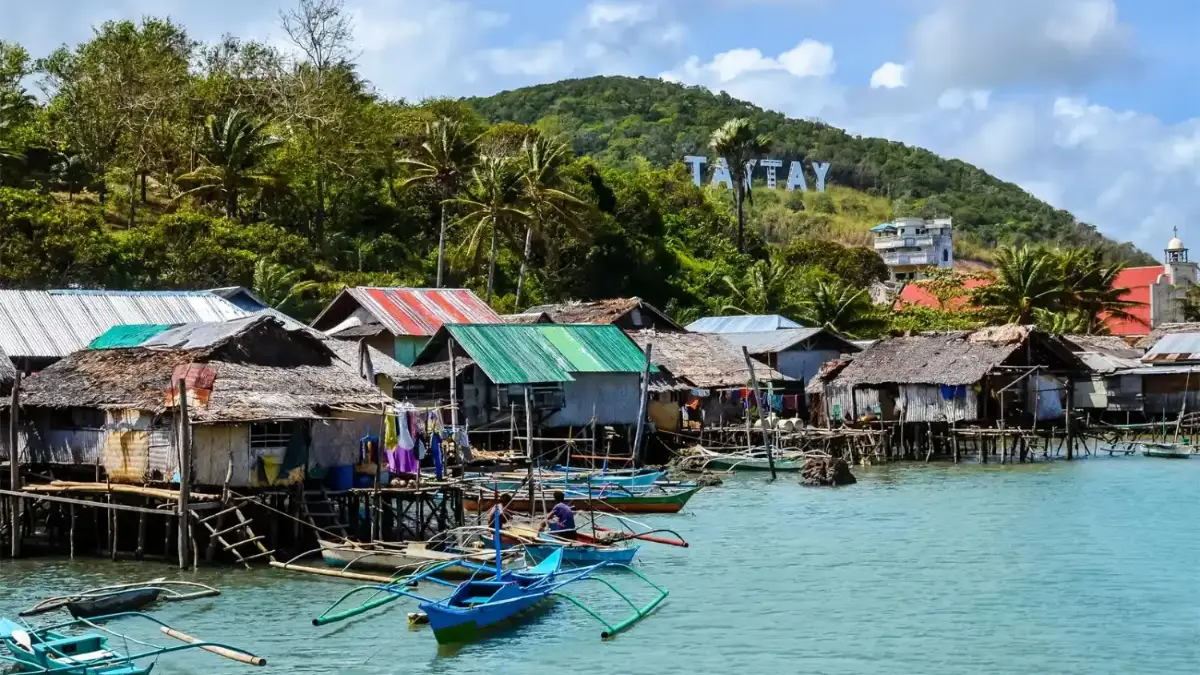
Palawan gets plenty of attention, but most of that attention goes to El Nido and Coron. Push further south and you reach the Balabac group — a scattering of islands near the Malaysian border that most visitors to the Philippines never get to.
The water here is, without exaggeration, some of the clearest in Asia. You can anchor a boat over a reef in five metres of water and read the time on your watch by the light bouncing off the sand below. Onuk Island, Candaraman, Bugsuk — these aren't well-documented in mainstream travel media, which is part of what keeps them the way they are.
Getting here means either a flight to Balabac town or a long overland-and-boat route from Puerto Princesa. There's limited accommodation — mostly local guesthouses — and you'll want to arrange island-hopping boats locally once you arrive.
Practical note: Bring cash. Card payments are not available in most of Balabac.
Koh Kradan, Thailand
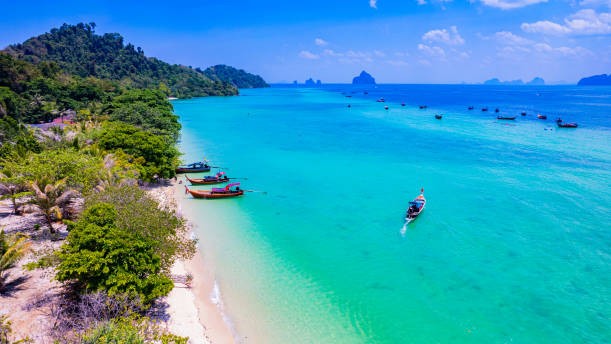
Thailand's western islands attract most of the country's beach tourists, but the Trang province islands — further south and less accessible from Bangkok — have a noticeably different character. Koh Kradan is the standout.
It's small enough to walk the perimeter in under an hour, and the reef that runs along its eastern shore means the water stays remarkably clear year-round. You can snorkel directly off the beach — no boat required — and encounter sea turtles, reef sharks, and healthy coral in conditions that rival places far more famous.
The island has only a handful of resorts, no 7-Elevens, no jet skis for hire. In high season (November to April) it's busy by Koh Kradan standards, but that's still quiet by Thai island standards.
Gili Nanggu, Lombok, Indonesia
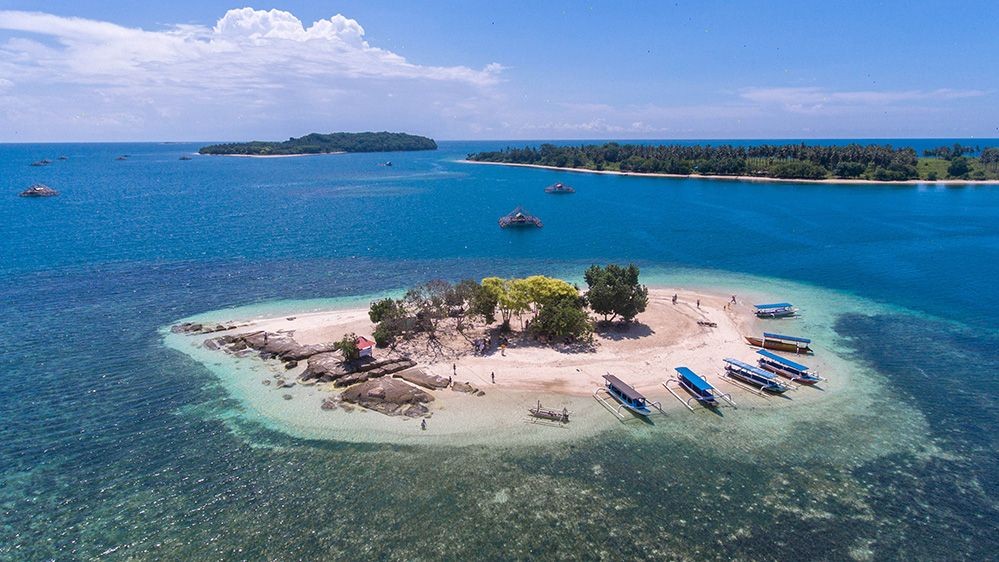
Everyone knows the Gili islands — Trawangan, Meno, and Air. Far fewer people know about the quieter Gili islands off Lombok's southwest coast, and Gili Nanggu is the best of them.
It takes about 45 minutes by boat from the Sekotong area, and it's the kind of place where you might share the beach with just two or three other people even on a weekend. The water is genuinely spectacular — shallow enough in places to stand in, clear enough to spot nudibranchs crawling across coral heads without a dive mask.
There's one small resort on the island and a couple of simple warung. No electricity after 10 pm. No nightlife. Just reef, stars, and water that catches the morning light in ways that photographers struggle to do justice.
The Mergui Archipelago, Myanmar
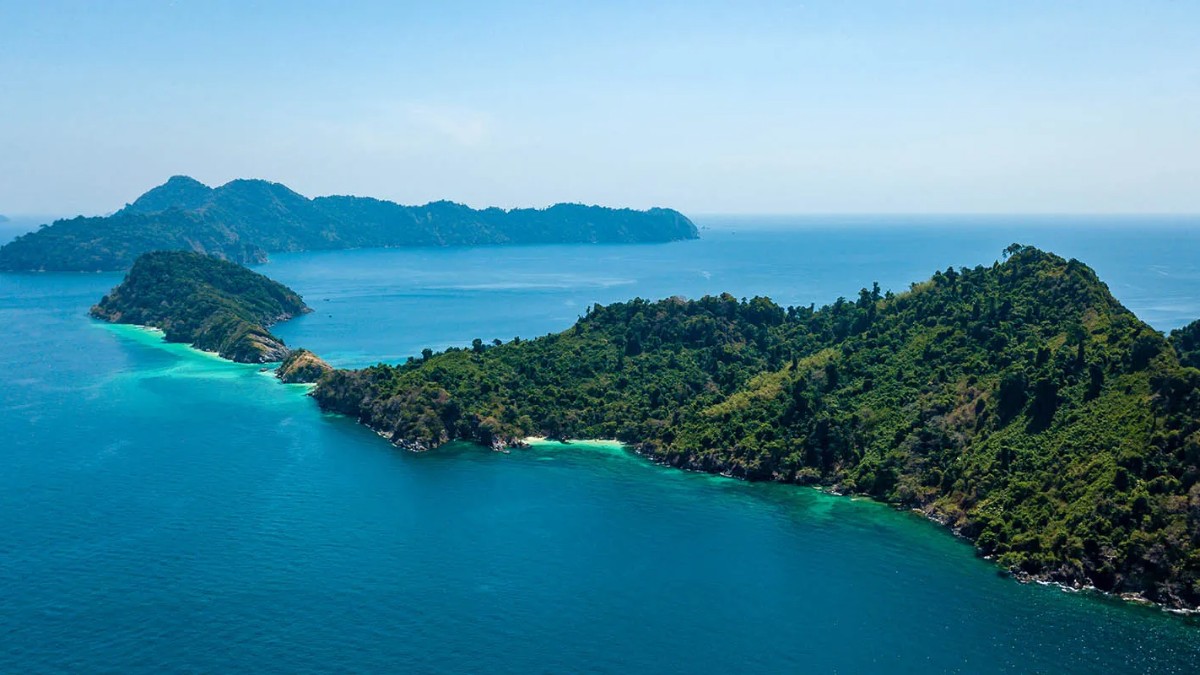
This is one of the most extraordinary collections of islands in all of Asia — and also one of the least visited, partly due to political instability in Myanmar and partly due to simple geography.
The Mergui (also spelled Myeik) Archipelago consists of over 800 islands in the Andaman Sea. Most are uninhabited. Some are home to the Moken people, sea nomads who have lived on boats and island shores for centuries. The water here doesn't just look clear — it has the quality of glass. Below the surface, the reefs are among the most intact in the entire region.
Access has historically been tightly controlled and remains complex given Myanmar's current political situation. Liveaboard dive trips from Ranong in Thailand have been the traditional way to explore, though travelers should check current access conditions carefully before planning a trip.
What Most Travelers Get Wrong About Island Hopping in Asia
The biggest mistake people make is booking everything too far in advance based on a "best of" list they found online. Islands change. A beach that was pristine two years ago might now have a new resort next to it, or the coral might be recovering from a bleaching event, or the ferry schedule might have changed.
The travelers who consistently find the best experiences tend to arrive in a region with a general plan and leave a few days flexible. They ask locally. They look for the boat that doesn't have a website. They take the ferry that leaves at 6am that nobody else wants to take.
Practical things worth knowing:
- Weather windows matter more than most guides admit. Check local forecasts, not just general "best time to visit" charts.
- Small islands often have limited fresh water. Some eco-resorts ask guests to limit shower time for good reason.
- Sunscreen and coral reefs: If you're snorkeling near reef, bring reef-safe sunscreen or wear a UV rash guard instead.
- Island-hopping boats are almost always negotiable. The price on the sign is rarely the final price — politely ask what's possible.
How to Plan a Trip to Asia's Secret Tropical Islands
Start with a hub. The most efficient way to access hidden islands is to base yourself in a regional hub — Sorong for Raja Ampat, Puerto Princesa for southern Palawan, Trang for Koh Kradan — and branch out from there.
Book your hub accommodation in advance. Leave accommodation on the outer islands flexible where possible. This gives you the freedom to stay longer somewhere you love and move on faster from somewhere that doesn't match expectations.
Budget more time than you think you need. Getting to hidden islands usually involves at least one extra leg of travel — a local minivan, a slow ferry, a chartered boat. Each of those legs can be delayed by weather, mechanical issues, or simply because the captain decides to leave an hour later. That's part of the experience, not an inconvenience to be solved.
A Note on Responsible Travel
The reason these islands have crystal-clear water and healthy reefs is precisely because they haven't been overwhelmed by visitors yet. That's worth protecting.
A few principles worth holding onto:
- Don't take anything from the reef — shells, coral fragments, nothing
- Support local boats and homestays over international resort chains where possible
- Ask before photographing local communities, especially in places like the Mergui Archipelago
- Don't feed fish or other marine wildlife, even if the dive guides at more touristic spots have normalized it
The best islands stay the best islands because the people who visit them care about leaving them that way.
Conclusion
Asia's most famous beaches will always draw crowds — and for good reason. But the islands on this list offer something harder to find: the feeling that you've stumbled onto somewhere that most people haven't seen yet. The water is clearer, the reefs are healthier, and the experience of arriving somewhere genuinely remote stays with you long after the tan fades.
If you've been to Bali a dozen times and want to remember why you started traveling in the first place, one of these hidden islands in Asia with crystal clear water might be exactly what you're looking for. The journey takes a bit more effort. It always does.


The Dark Side of Hustle Culture Nobody Talks About
17 Jul, 2026
Antarctica Expedition: Your Complete Planning Guide
30 May, 2026
